Angel Baby Wipes With Aloe Vera vs Soft Care Baby Wipes
One of these hasn't been fully rated yet, so compare the ingredients below.
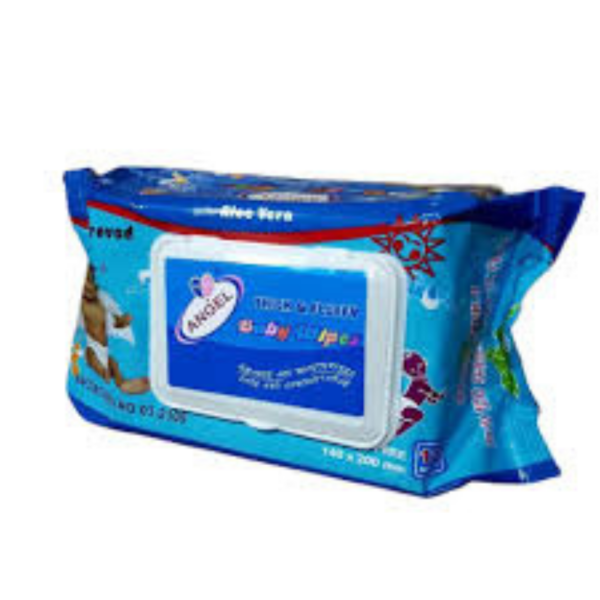
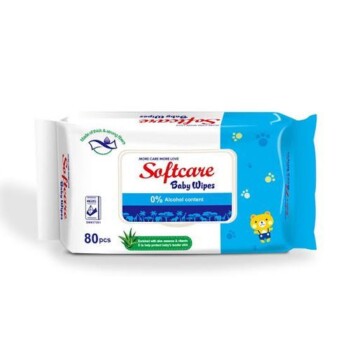
Side by side
| Angel Baby Wipes With Aloe Vera | Soft Care Baby Wipes | |
|---|---|---|
| CheckTag rating | 3.5/5 | Not rated yet |
| Shopper reviews | No reviews yet | No reviews yet |
| Flagged ingredients | 2✓ | 7 |
| Ingredients listed | 5 | 7 |
| Allergens | — | — |
| Net quantity | — | — |
| Safety note | Yes | Yes |
Ingredients worth a second look
- Polysorbate 20 (Emulsifier/Surfactant) — Blends oil and water components for even distribution; generally safe but may cause mild irritation or dryness in sensitive skin types.
- Polyhexamethylene Guanidine Hydrochloride (Preservative/Antimicrobial) — Inhibits bacterial growth to keep wipes fresh; effective but carries risk of contact sensitization or allergic reactions on delicate baby skin.
- Purified Water (Solvent/Base) — Forms the primary hydrating and cleansing base of the wipe, allowing effective yet gentle removal of soils without stripping natural skin oils; it is completely safe for topical use on baby skin with zero known negative effects or absorption risks.
- Aloe Barbadensis Leaf Extract (Soothing Agent/Moisturizer) — Delivers natural vitamins, enzymes, and anti-inflammatory compounds that soothe irritated skin, promote healing of minor rashes, and provide hydration; positives include reduced diaper rash incidence, though rare allergies to aloe may cause mild dermatitis in sensitive infants.
- Glycerin (Humectant/Moisturizer) — Attracts and locks in moisture to prevent skin dryness and cracking, supporting the skin barrier function for babies; generally beneficial with no systemic risks, but excessive concentrations could lead to mild stickiness or rare contact irritation.
- Polysorbate 20 (Emulsifier/Surfactant) — Helps blend oil and water components for even distribution on the wipe, enabling mild cleansing action; it is considered low-risk for skin but may cause eye irritation if misused and has minimal environmental persistence concerns for disposal.
- Phenoxyethanol (Preservative/Antimicrobial) — Inhibits bacterial and fungal growth to keep the product safe during use; safe at low concentrations (<1%) for topical baby products per regulatory standards, yet potential negatives include skin sensitization or allergic reactions in very sensitive individuals with prolonged exposure.
- Sodium Benzoate (Preservative) — Works synergistically with other preservatives to prevent microbial contamination, ensuring product integrity; it is naturally derived in some forms and poses low risk topically, but in rare cases may trigger hyperactivity-like responses or skin allergies if the infant has specific sensitivities.
- Citric Acid (pH Adjuster/Stabilizer) — Maintains a skin-friendly acidic pH level close to baby's natural skin (around 5.5) to support barrier health and reduce irritation risk; offers positive antioxidant properties with no significant negatives for topical application, though it can sting if used on open wounds.
What's different inside
They share 2 ingredients.
Demineralised Aqua (Purified Water/Solvent), Aloe Vera (Soothing Agent/Plant Extract), Polyhexamethylene Guanidine Hydrochloride (Preservative/Antimicrobial)
Glycerin (Humectant/Moisturizer), Polysorbate 20 (Emulsifier/Surfactant)
Purified Water (Solvent/Base), Aloe Barbadensis Leaf Extract (Soothing Agent/Moisturizer), Phenoxyethanol (Preservative/Antimicrobial), Sodium Benzoate (Preservative), Citric Acid (pH Adjuster/Stabilizer)
Scan before you buy
CheckTag shows what's inside any product, how it rates, and what other shoppers say. Free on iPhone and Android, or right inside Telegram and WhatsApp.
Ratings and ingredient notes are generated by AI from the product's available data — a guide, not a diagnosis. Always check the product's own label, and follow your doctor or pharmacist for medicines.