Ror vs Malta Guinness Can 330ml
CheckTag rates them about the same (2.1 and 2.3 out of 5). The differences are in the details below.

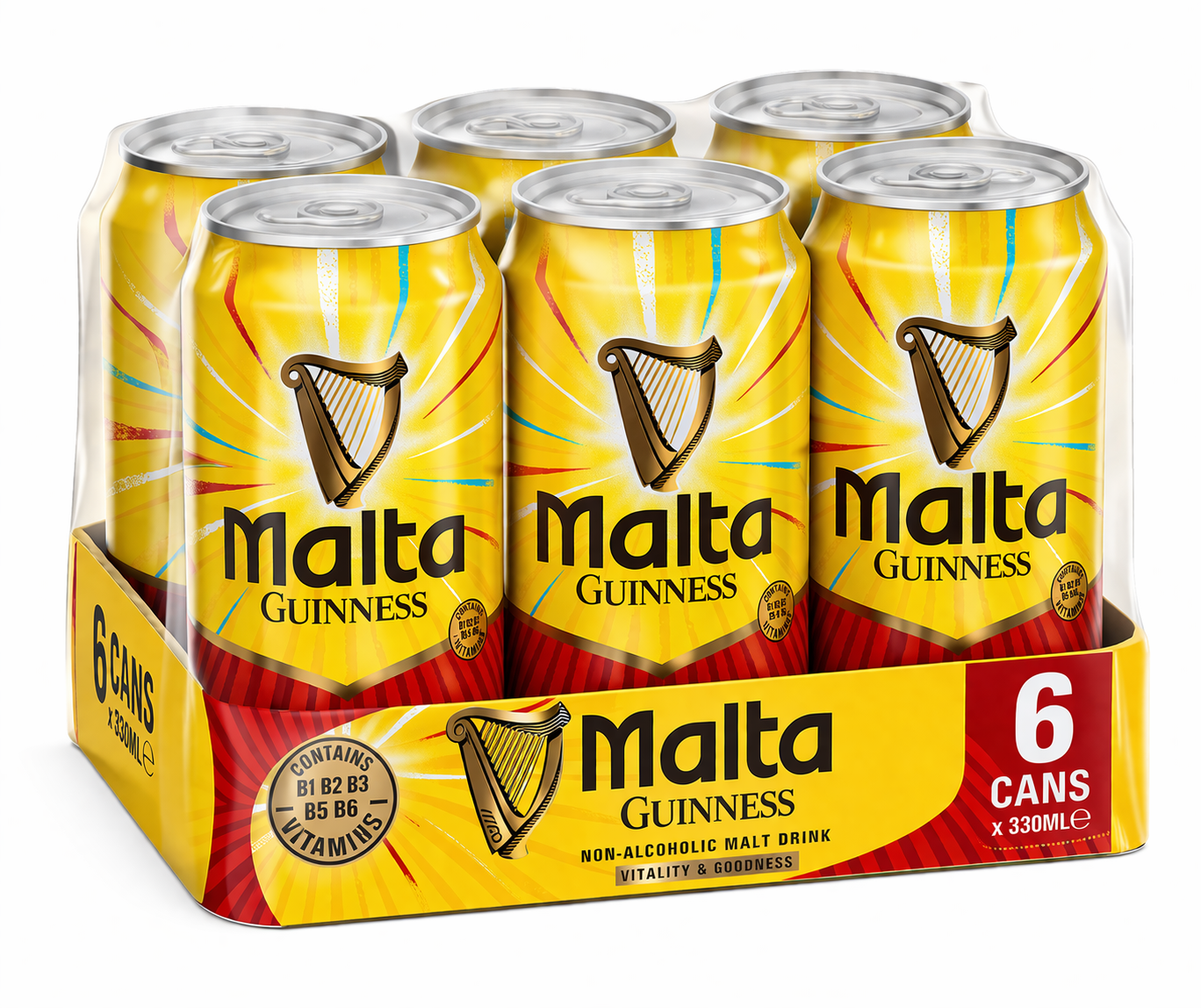
Side by side
| Ror | Malta Guinness Can 330ml | |
|---|---|---|
| CheckTag rating | 2.1/5 | 2.3/5✓ |
| Shopper reviews | No reviews yet | No reviews yet |
| Flagged ingredients | 9 | 4✓ |
| Ingredients listed | 12 | 7 |
| Allergens | — | — |
| Net quantity | — | — |
| Safety note | Yes | Yes |
Ingredients worth a second look
- Vegetable Oil (Corn, Cottonseed, Soybean or Sunflower Oil) (Frying Oil) — Provides crispiness but is high in calories and may contain allergens like soybean; excessive omega-6 fats can contribute to inflammatory responses in the body.
- Whey and Nonfat Dry Milk (Dairy Seasonings) — Adds protein and flavor but serves as a common allergen for those with milk sensitivities and may cause issues for lactose intolerant consumers.
- Dextrose, Sugar and Corn Syrup Solids (Sweeteners) — Added sugars that increase glycemic load, potentially leading to energy crashes, weight gain, and increased risk of dental caries and metabolic disorders.
- Maltodextrin (Processing Aid) — Refined starch used as a bulking agent with high glycemic index that may negatively affect blood sugar levels similar to glucose.
- Buttermilk Solids, Butter and Sour Cream (Dairy Flavorings) — Contribute creamy and tangy notes but are high in saturated fats and are major allergens; provide limited calcium but overall caution for heart health.
- Salt and Sodium Diacetate (Seasonings) — Essential minerals for taste but in high quantities linked to elevated blood pressure, fluid retention, and cardiovascular strain.
- Monosodium Glutamate (MSG) (Flavor Enhancer) — Amplifies savory flavors but may trigger adverse reactions such as headaches or nausea in sensitive individuals, though approved for general use.
- Artificial Flavor (Synthetic Additive) — Delivers consistent taste without natural ingredients; lacks any nutritional benefit and some consumers avoid due to potential for allergic reactions or unknown effects.
- Lactose (Dairy Sugar) — Adds slight sweetness but is problematic for individuals with lactose intolerance leading to gastrointestinal distress.
- Barley Malt (Base/Flavor Provider) — Source of some B-vitamins, amino acids and minerals from malted barley; positive for energy metabolism but contains gluten posing risks for intolerant consumers and adds to overall carb load.
- Sucrose (Sweetener) — Refined sugar that delivers high glycemic load leading to rapid blood sugar elevation; frequent intake linked to obesity, type 2 diabetes, tooth decay and cardiovascular risks due to excess calorie intake.
- Caramel (Coloring Agent) — Provides the characteristic dark hue; generally safe in small amounts but certain caramels may contain compounds like 4-MEI with potential carcinogenic concerns at very high lifetime exposures.
- Carbon Dioxide (Carbonating Agent) — Creates effervescence for refreshing mouthfeel; safe for most but may cause temporary bloating or discomfort in sensitive individuals.
What's different inside
They don't share any ingredients.
Potatoes (Primary Base), Vegetable Oil (Corn, Cottonseed, Soybean or Sunflower Oil) (Frying Oil), Whey and Nonfat Dry Milk (Dairy Seasonings), Dextrose, Sugar and Corn Syrup Solids (Sweeteners), Maltodextrin (Processing Aid), Buttermilk Solids, Butter and Sour Cream (Dairy Flavorings), Salt and Sodium Diacetate (Seasonings), Dehydrated Onion and Parsley (Natural Flavors), Monosodium Glutamate (MSG) (Flavor Enhancer), Citric Acid and Malic Acid (Acidulants), Artificial Flavor (Synthetic Additive), Lactose (Dairy Sugar)
—
Water (Solvent/Base), Barley Malt (Base/Flavor Provider), Sorghum Malt (Base/Flavor Provider), Sucrose (Sweetener), Caramel (Coloring Agent), Hops Extract (Flavoring/Bittering), Carbon Dioxide (Carbonating Agent)
More comparisons
Scan before you buy
CheckTag shows what's inside any product, how it rates, and what other shoppers say. Free on iPhone and Android, or right inside Telegram and WhatsApp.
Ratings and ingredient notes are generated by AI from the product's available data — a guide, not a diagnosis. Always check the product's own label, and follow your doctor or pharmacist for medicines.